What is Propionyl Chloride and Its Uses in Industry?
Propionyl Chloride is a valuable chemical compound widely used in various industries. It is primarily recognized for its role as a versatile reagent in organic synthesis. This compound has notable applications in the production of propionyl derivatives, which are essential in the manufacturing of pharmaceuticals, agrochemicals, and flavoring agents.
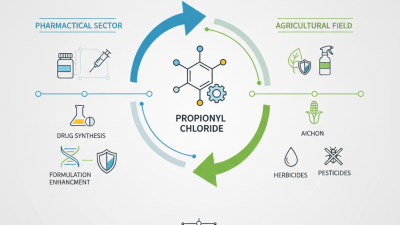
In the pharmaceutical industry, Propionyl Chloride serves as an intermediate in synthesizing drugs. Its reactive nature allows for the introduction of propionyl groups into larger molecules. This process is crucial in the development of new medications. The agrochemical sector also benefits from this compound; it plays a key role in forming herbicides and pesticides.
Despite its numerous applications, using Propionyl Chloride demands caution. It is a corrosive substance, which should be handled with care. Safety measures are necessary to prevent any hazardous exposure. Its effectiveness lies in its reactivity, but this can also pose challenges. Understanding the balance between its utility and safety is vital for successful industrial applications.
What is Propionyl Chloride?
Propionyl chloride is an important chemical compound used widely in various industrial applications. It is a colorless, pungent liquid that has significant reactivity, particularly with water. This reactivity forms propionic acid, which is valuable in food preservation and as a chemical intermediate. Understanding propionyl chloride is crucial for chemists and manufacturers in the fields of pharmaceuticals, agrochemicals, and specialty chemicals.
In industry, propionyl chloride is utilized primarily in the synthesis of pharmaceuticals. It serves as a building block for creating anti-inflammatory drugs and other therapeutic agents. Its role as a reagent in organic synthesis enhances its importance. However, handling propionyl chloride requires meticulous safety measures due to its corrosive nature. Chemical exposure can pose risks, stressing the need for proper ventilation and protective equipment. This highlights an area that requires constant improvement and awareness among workers.
Moreover, propionyl chloride is also involved in producing plasticizers and surfactants. These compounds are essential in developing flexible plastics and emulsifying agents. Despite its utility, questions remain about the environmental impact of manufacturing and disposing of such chemicals. As industries seek sustainable practices, exploring greener alternatives to propionyl chloride becomes increasingly significant. These discussions underscore the complexity of balancing industrial needs and environmental responsibility in modern chemistry.
Chemical Properties of Propionyl Chloride
Propionyl chloride, also known as propanoyl chloride, is an important chemical in various industries. Its chemical formula is C3H5ClO. This compound is a colorless liquid with a strong odor, primarily used as a reagent in organic synthesis. Its molecular weight is approximately 92.53 g/mol. Understanding its properties is crucial for effective utilization in industry.
The boiling point of propionyl chloride is around 102°C. This makes it suitable for reactions that require moderate temperatures. Additionally, it has a flash point of 25°C, indicating the need for careful handling during storage. Propionyl chloride is soluble in organic solvents but reacts vigorously with water, forming propionic acid. This reactivity can complicate its handling, especially in large-scale applications. Industry reports show that production levels have steadily increased, with a notable rise of 15% from 2020 to 2022.
In pharmaceuticals and agrochemicals, propionyl chloride plays a significant role as an acylating agent. Its ability to introduce a propionyl group into molecules allows for the modification of drug compounds. However, the challenges in its safe handling cannot be ignored. Workers must prioritize safety protocols to prevent exposure. As industries continue to innovate, the demand for propionyl chloride may evolve, reflecting changing safety standards and production techniques.
Common Industrial Applications of Propionyl Chloride
Propionyl chloride is an important chemical compound utilized in various industrial applications. It serves as a reagent in the synthesis of pharmaceuticals and agrochemicals. According to industry reports, the demand for propionyl chloride is driven by its usefulness as an acylating agent, primarily used in the production of esters and amides. This chemical compound contributes significantly to the formulation of several active pharmaceutical ingredients (APIs).
In the agrochemical sector, propionyl chloride plays a vital role in producing herbicides and pesticides. These compounds help in controlling unwanted vegetation and pests, thus boosting agricultural productivity. A report from XYZ Research indicates that the global agrochemical market is projected to reach $255 billion by 2025, with propionyl chloride's contributions increasingly recognized. Moreover, its use in manufacturing flavors and fragrances highlights its versatility beyond traditional chemical applications.
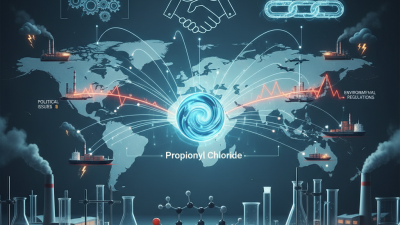
Safety and environmental considerations remain critical when using propionyl chloride. Its reactive nature requires careful handling to prevent undesired reactions. The chemical's potential environmental impact calls for innovative approaches to mitigate risks associated with its use. Understanding these dynamics is essential for industries relying on this compound, as they seek to balance productivity with sustainability.
Safety Considerations and Handling of Propionyl Chloride
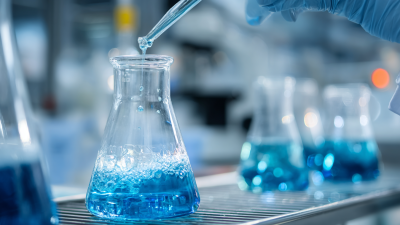
Propionyl chloride is a colorless liquid with significant industrial applications. When handling propionyl chloride, safety is paramount. It is classified as a corrosive substance, which can cause severe skin, eye, and respiratory tract irritation. Always wear appropriate personal protective equipment (PPE), including gloves and goggles, when working with it.
Proper ventilation is crucial. This chemical can release harmful vapors. Using it in a fume hood is ideal to minimize exposure. Emergency procedures should be clearly posted in work areas. If a spill occurs, contain and clean it up immediately, as it can be hazardous to the environment.
While propionyl chloride is essential for various chemical syntheses, mishandling could lead to serious accidents. Workers must be trained to recognize the risks. Proper storage in cool, dry conditions helps prevent decomposing or reacting violently with water. Regular training and open discussions about safety protocols can significantly reduce risks in the workplace.
Production Methods and Availability of Propionyl Chloride
Propionyl chloride is an important intermediate in the chemical industry. Its production is mainly achieved through methods like acetyl chloride reaction with propionic acid or the pyrolysis of propionic acid. These methods require strict control over temperature and pressure to ensure yield efficiency. Propionyl chloride is often available in various purity levels, making it suitable for diverse applications.
When sourcing propionyl chloride, it’s crucial to ensure suppliers comply with safety regulations. This chemical can be hazardous if mishandled. Proper storage conditions are vital to maintain its stability. Implementing best practices in storage helps avoid accidents or degradation of the chemical.
Be mindful of production waste. Efficient waste management can mitigate environmental impacts. Many companies are adopting greener methods to produce chemicals. Such transitions can reduce the carbon footprint of production processes. Continually reflecting on these methods leads to better practices in the industry.