Understanding Propionyl Chloride Uses and Global Supply Chain?
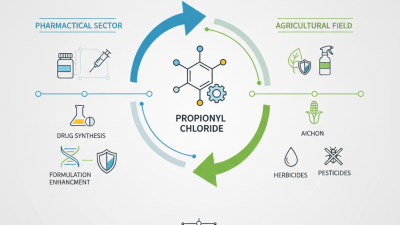
Propionyl Chloride is a significant chemical compound widely used in various industries. Its applications span pharmaceuticals, agrochemicals, and fragrances, making it a versatile asset in the chemical sector. The global supply chain for Propionyl Chloride is intricate and involves numerous stakeholders. These include manufacturers, distributors, and end-users, each playing a crucial role in ensuring its availability and accessibility.
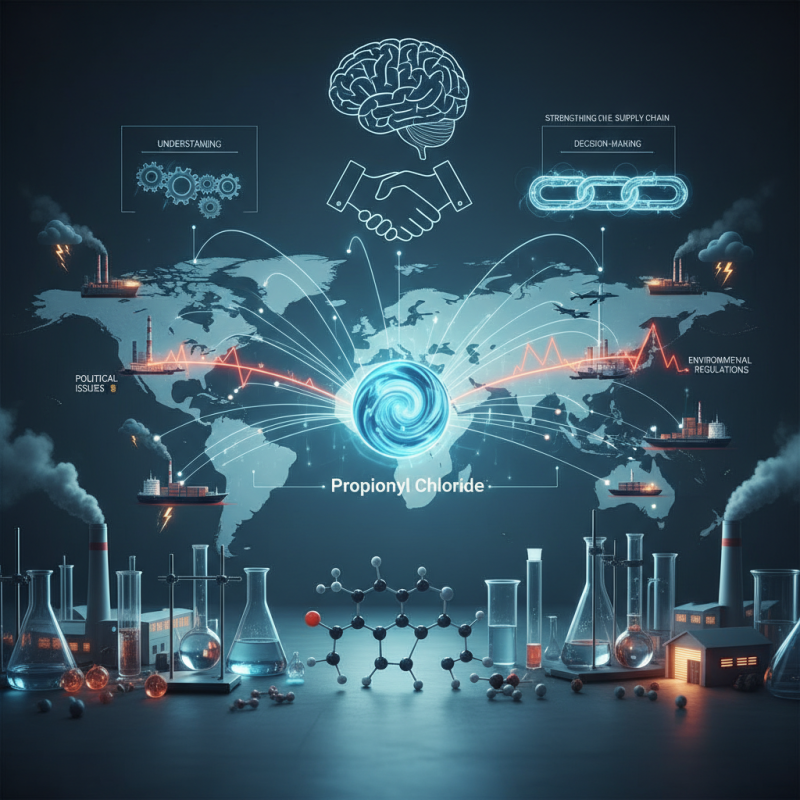
Understanding the uses of Propionyl Chloride requires insight into its chemical properties. It acts as an acylating agent in organic synthesis. This reaction can create a variety of products, contributing to diverse formulations. However, reliance on a global supply chain presents challenges. Disruptions can occur due to political issues or environmental regulations. These factors lead to potential shortages, affecting production timelines.
Despite its importance, many remain unaware of Propionyl Chloride's complexities. Gaining a deeper understanding enables better decision-making in industries reliant on this compound. Strengthening the supply chain is essential for future stability. Continuous improvement and awareness are vital for stakeholders. Addressing inefficiencies ensures the compound's benefits are fully realized.
Understanding Propionyl Chloride: Chemical Properties and Characteristics
Propionyl chloride is a versatile chemical with unique properties. It is a clear, colorless liquid with a pungent odor. This chemical has a boiling point of 102 °C, making it easy to handle in various processes. Its reactivity stems from the acyl chloride functional group, allowing it to participate in important chemical reactions.
In industries, propionyl chloride serves multiple roles. It acts as an acylating agent in the synthesis of propionamides and other derivatives. The demand for these compounds is increasing in pharmaceuticals and agrochemicals. However, its handling requires caution due to its corrosive nature, which can cause burns. Proper safety measures must be put in place during its use.
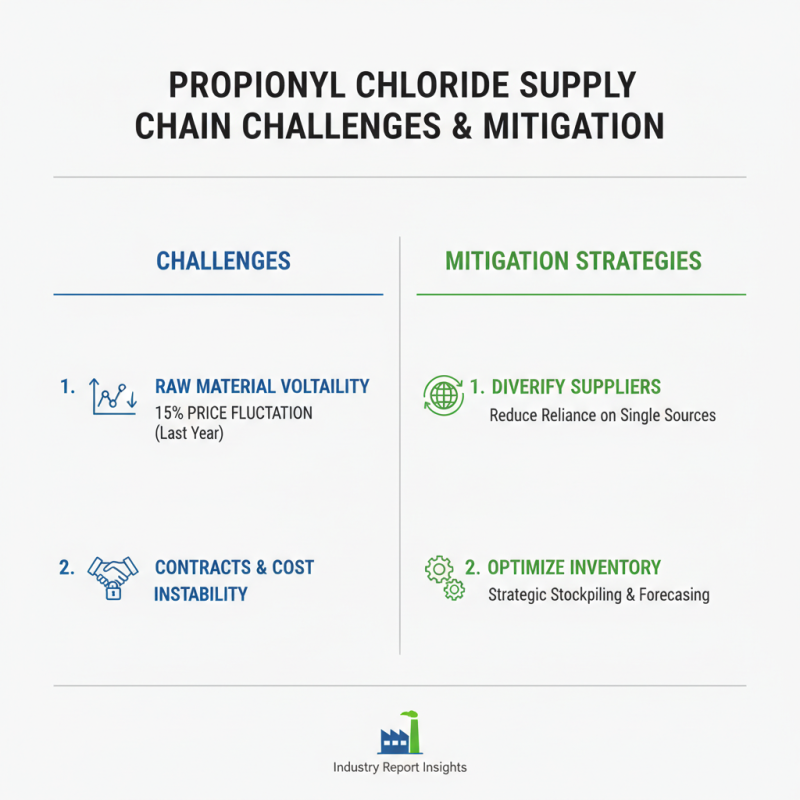
Despite its importance, the global supply chain for propionyl chloride faces challenges. bottlenecks in production can arise from raw material shortages. Additionally, fluctuations in transportation can disrupt availability. Producers and consumers need to adapt to these changing dynamics to maintain a steady supply. This ongoing adjustment may not always be smooth, revealing vulnerabilities in the supply network.
Key Applications of Propionyl Chloride in Various Industries
Propionyl chloride, an important chemical compound, finds its primary applications in the synthesis of pharmaceuticals and agrochemicals. Its role in the production of propionic acid derivatives is vital, especially in pharmaceuticals where propionyl derivatives enhance drug efficacy. According to a report by GlobalData, the pharmaceutical segment accounts for nearly 35% of the propionyl chloride market. This figure highlights the compound's integration into drug formulations, driving demand in the healthcare sector.
In addition to pharmaceuticals, propionyl chloride plays a significant role in the food industry, particularly as a preservative. Its application in food additives ensures ingredient stability, promoting shelf life and safety. The global food additives market is projected to reach over $50 billion by 2025, with preservatives being a crucial segment. However, the reliance on propionyl chloride raises concerns about safety standards and regulatory compliance. Despite its benefits, manufacturers must navigate complex regulations to ensure consumer safety.
The chemical's use in specialty chemicals further emphasizes its versatility. It aids in producing esters and solvents, which are essential in various industrial applications. Market research by Markets and Markets indicates a steady growth rate in the specialty chemicals segment. Yet, fluctuations in raw material costs and supply chain challenges can impact production timelines. These factors require ongoing evaluation to maintain consistent output and quality in propionyl chloride applications.
Understanding Propionyl Chloride Uses and Global Supply Chain
| Application |
Industry |
Region |
Market Demand (Metric Tons) |
Growth Rate (%) |
| Synthesis of Pharmaceuticals |
Pharmaceuticals |
North America |
1500 |
5.0 |
| Production of Flavors and Fragrances |
Food & Beverage |
Europe |
1200 |
4.5 |
| Manufacturing of Herbicides |
Agriculture |
Asia-Pacific |
2000 |
6.0 |
| Production of Esters |
Chemical Manufacturing |
Latin America |
900 |
3.0 |
| Manufacturing of Plastics |
Polymers |
Middle East |
800 |
2.5 |
Assessment of the Global Supply Chain for Propionyl Chloride
Propionyl chloride, a key chemical intermediate, plays a crucial role in various industries. Its applications span from pharmaceuticals to agrochemicals. The global demand for propionyl chloride has steadily increased, reflecting its importance in chemical synthesis. According to a recent market report, the global propionyl chloride market is projected to grow at a compound annual growth rate (CAGR) of over 4% from 2023 to 2030.
Assessing the global supply chain for propionyl chloride reveals complexities and challenges. Major production hubs include regions like North America and Europe, owing to established industrial infrastructures. However, disruptions, such as geopolitical tensions and trade barriers, can impact supply continuity. For instance, a severe weather event could constrict transportation routes, leading to delays in product delivery.
Data indicates that over 60% of the propionyl chloride produced is used in the creation of ester compounds, essential for various applications. However, reliance on a limited number of suppliers increases market vulnerability. Diversifying sources can mitigate risks, yet many businesses still struggle with this necessary change. The supply chain's transparency is essential for navigating these challenges effectively.
Market Trends and Demand Analysis for Propionyl Chloride
Propionyl chloride is gaining traction in various industries due to its versatile applications. It is primarily used in pharmaceuticals, agrochemicals, and specialty chemicals. According to a recent market analysis from Research and Markets, the global propionyl chloride market is projected to witness a significant growth rate of around 5.2% CAGR over the next five years. This growth is driven by the increasing demand for pharmaceuticals and the expanding agrochemical sector.
However, the supply chain for propionyl chloride poses challenges. Fluctuating raw material prices and transportation issues often lead to supply disruptions. The COVID-19 pandemic highlighted vulnerabilities in global supply chains, affecting timely deliveries. Industry experts emphasize the need for companies to develop resilient supply chains. They recommend diversifying suppliers to minimize risks associated with single-source dependencies.
Tip: Monitor market trends closely. Understanding regional demand can help in adjusting supply strategies effectively. Staying informed can mitigate risks in sourcing raw materials. Regular assessments can also identify opportunities for operational improvements in the supply chain.