Propionyl Chloride Uses Benefits and Safety Tips?
Propionyl Chloride is an important chemical compound with various applications in the industry. It serves as a valuable reagent for synthesizing other chemicals. Manufacturers often utilize propionyl chloride in the production of pharmaceuticals and agrochemicals. Its versatility makes it a popular choice.
Despite its benefits, handling Propionyl Chloride poses risks. It is toxic and corrosive. Workers need proper protective gear when using it. Mismanagement can lead to accidents and health issues. Awareness of safety tips is crucial for preventing harmful exposure.
Understanding the uses and benefits of Propionyl Chloride is essential for industries. However, respecting safety guidelines cannot be overlooked. Awareness and education are key in mitigating risks. Companies must strive to uphold safety standards diligently. This balance between utility and caution defines responsible use.
Understanding Propionyl Chloride: An Overview of Its Properties
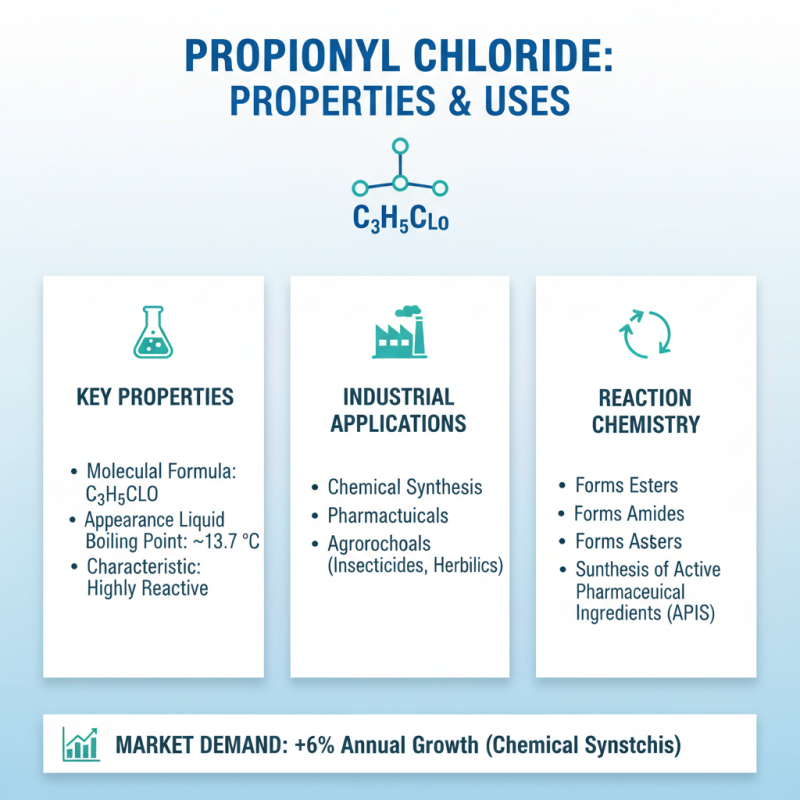
Propionyl chloride, a colorless liquid, is widely used in various industrial applications. It boasts a molecular formula of C3H5ClO and has a boiling point of approximately 113.7 °C. This compound is valued for its reactivity. It participates in reactions that form esters and amides. Many industries rely on such transformations for synthesizing pharmaceuticals. According to a recent market analysis, the demand for propionyl chloride in chemical synthesis is projected to grow by 6% annually.
Its application extends to the production of certain agricultural chemicals. Farmers often use these compounds to enhance crop yields. In addition, propionyl chloride serves as an effective reagent in organic chemistry labs. Its ability to acylate alcohols is notable. However, working with this chemical requires precaution. Exposure can lead to irritation of the skin and respiratory tract. Current safety guidelines recommend using personal protective equipment.
While propionyl chloride has many benefits, it also poses risks. Proper handling is crucial in industrial settings. Accidents can occur if safety protocols are ignored. Even a minor oversight can have serious consequences. Continuous training and awareness are essential in workplaces dealing with this chemical. Reflecting on past incidents can help improve safety measures. Understanding its properties is key to managing its risks effectively.
Common Applications of Propionyl Chloride in Industry
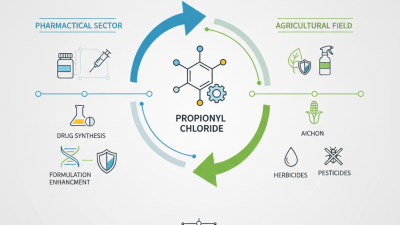
Propionyl chloride is a versatile chemical used in various industries. It serves as an important intermediate in the production of pharmaceuticals. Many drugs rely on propionyl chloride for their synthesis. This compound helps in the formation of essential active ingredients. Additionally, it is used in agrochemical formulations. Its presence enhances the effectiveness of many pesticides.
In the food industry, propionyl chloride plays a critical role as well. It is involved in the manufacture of flavoring agents. These agents contribute to the aroma of processed foods. However, using this compound requires caution. It can be hazardous if not handled properly. Personal protective equipment is crucial during its use. The chemical can irritate skin and eyes. Always consult safety guidelines before working with it.
In plastic manufacturing, propionyl chloride becomes a useful raw material. It aids in creating specialized polymers. These polymers have various applications, from packaging to construction. There is a need for careful storage and handling. Improper practices can lead to unwanted reactions. Awareness of potential risks is vital for safe use.
Propionyl Chloride Applications in Industry
This bar chart illustrates the common applications of Propionyl Chloride in various industries. The pharmaceutical sector shows the highest usage frequency, followed by agriculture and chemical synthesis, reflecting the compound's role in diverse applications.
Benefits of Using Propionyl Chloride in Chemical Synthesis
Propionyl chloride is a vital reagent in chemical synthesis. Its ability to introduce propionyl groups makes it an essential tool in organic chemistry. In recent studies, it has shown effectiveness in synthesizing various compounds. For example, a report from the American Chemical Society highlighted its use in producing propionic acid derivatives. These derivatives have applications in pharmaceuticals and agrochemicals.
Using propionyl chloride enhances reaction efficiency. It reacts quickly with alcohols and amines, thus facilitating the formation of esters and amides. According to a study in the Journal of Organic Chemistry, reactions involving propionyl chloride can achieve yields exceeding 90% in less than an hour. However, this quick reactivity also raises safety concerns. Proper handling and awareness are crucial to avoid unwanted reactions.
Moreover, while the benefits are clear, challenges exist. The corrosive nature of propionyl chloride requires special storage and handling practices. Improper use can lead to hazardous situations. The industry's focus is on improving safety protocols to mitigate these risks. Continuous training for laboratory personnel is essential to ensure safe practices when working with this compound.
Safety Precautions When Handling Propionyl Chloride
Handling propionyl chloride requires strict safety measures. This chemical is highly reactive and can pose health risks. Always wear appropriate personal protective equipment (PPE). This includes gloves, goggles, and lab coats. Avoid skin contact. Prolonged exposure can cause irritation and burns.
Ensure that workspaces are well-ventilated. Fumes from propionyl chloride can irritate the respiratory tract. A fume hood is ideal when using this substance. Have a safety shower and eye wash station nearby. Accidental spills can happen, so be prepared.
Proper storage is equally important. Keep propionyl chloride in a cool, dry place. Ensure containers are tightly sealed. Label all containers clearly. It’s easy to overlook this step, but it’s crucial for safety. Regular training on handling these chemicals is essential. Mistakes can occur, and awareness can save lives. Stay cautious, and always review safety protocols.
Regulatory Guidelines and Compliance for Propionyl Chloride Use
Propionyl chloride is a chemical with significant applications in various industries. However, regulatory guidelines are crucial for its safe utilization. Numerous agencies oversee its use, including the Environmental Protection Agency (EPA) and the Occupational Safety and Health Administration (OSHA). Compliance with their regulations helps mitigate health risks associated with this compound.
In the manufacturing sector, propionyl chloride is often employed in the synthesis of pharmaceuticals and agrochemicals. For instance, the EPA has set a threshold limit value of 1 ppm for exposure in the workplace. This measure aims to protect workers from potential respiratory issues. Furthermore, Material Safety Data Sheets (MSDS) provide essential information on handling and storage, emphasizing the need for protective equipment.
Despite its benefits, challenges exist. Many companies struggle with adhering to safety standards. A report by the National Safety Council indicates that improper handling can lead to chemical spills. These incidents not only endanger workers but also impact the environment. Continuous training and strict compliance are necessary to prevent such occurrences. Understanding and implementing regulatory guidelines is vital for the safe use of propionyl chloride in any application.