
Leave Your Message

What Is Testolic Injection Used For?

Testolic Injection is a prescription testosterone medicine used when the body produces insufficient testosterone. Its active ingredient is commonly testosterone enanthate, although formulations may vary by country and manufacturer. Doctors may prescribe it for confirmed male hypogonadism, certain testosterone deficiencies, or selected cases of delayed puberty. Diagnosis usually requires symptoms, physical assessment, and repeated morning blood tests. One result is rarely enough.

It is not a general energy booster. It is not a shortcut for muscle gain. Urologist and men’s health specialist Abraham Morgentaler has stated, “Testosterone is not a fountain of youth.” That warning matters. Treatment should address a documented medical need, not appearance alone. A clinician may monitor testosterone levels, blood pressure, cholesterol, fertility, mood, and hematocrit during therapy. Injection-site soreness can occur. Acne, fluid retention, sleep-related breathing problems, and increased red blood cell counts are also possible concerns. Some patients notice improved libido or energy, but benefits differ widely. Expectations should stay realistic.

The details matter.

Testolic Injection may be unsuitable for people with particular prostate, breast, cardiovascular, or blood-related conditions. It can also reduce sperm production, which deserves discussion before treatment. Never share injections or change the prescribed schedule independently. Product names and regulations differ across regions, so the official leaflet and a licensed healthcare professional remain essential sources. This overview explains common medical use, but it cannot replace an individual assessment. Even experienced clinicians sometimes need to adjust treatment after follow-up results.
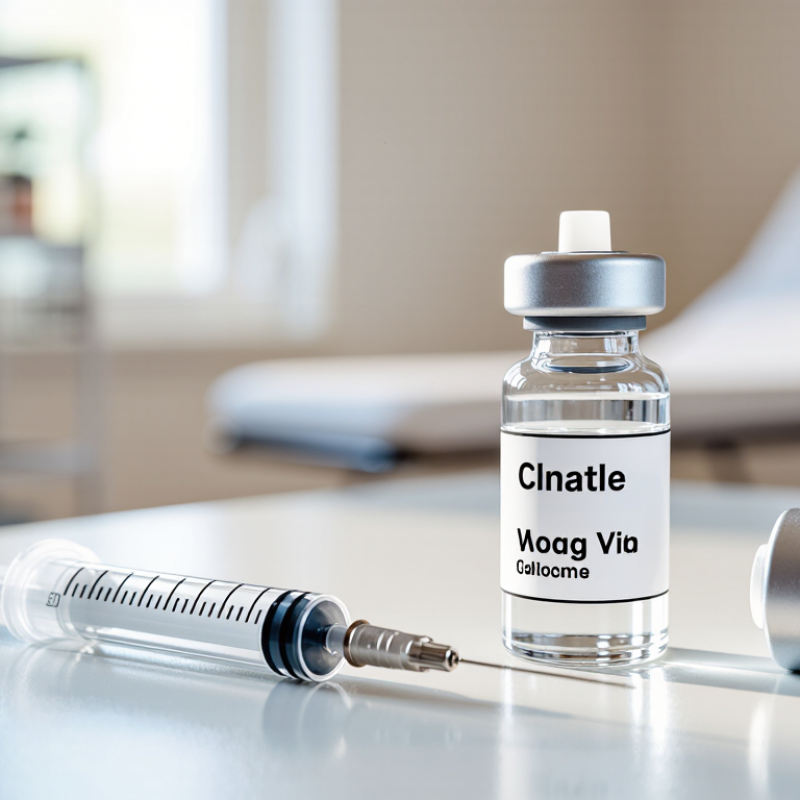
What Is Testolic Injection Used For?

What Is Testolic Injection?

A testosterone injection is a prescription medicine that delivers testosterone into muscle tissue. “Testolic” may refer to a product containing a testosterone ester, but the exact ingredient and strength should be checked on the package. Different formulations remain active for different periods. This affects injection timing and medical follow-up.

Doctors may prescribe testosterone injections for confirmed testosterone deficiency. Symptoms can include low sexual desire, reduced energy, and loss of muscle strength. A diagnosis should involve symptoms and laboratory testing, not symptoms alone. Treatment may also support testosterone replacement when the body cannot produce enough hormone. It is not a general energy booster. Not a quick fix.

A qualified healthcare professional should decide the dose, injection site, and treatment schedule. Blood tests may monitor testosterone levels, red blood cells, cholesterol, liver health, and prostate-related markers. Possible effects include acne, mood changes, fluid retention, reduced fertility, and increased red blood cell counts. Some risks depend on age and existing conditions. A common mistake is assuming a stronger dose works better. It may increase harm instead. Patients should report chest pain, severe headaches, breathing problems, or unusual swelling promptly. Product names can be confusing, so checking the active ingredient with a pharmacist is a sensible step.


How Does Testolic Injection Work?

What Is Testosterone Injection Used For?

How Does Testosterone Injection Work?

Testosterone injection replaces or supplements testosterone when a qualified clinician confirms low levels and related symptoms. It may support muscle maintenance, bone strength, red blood cell production, sexual function, and overall energy. However, tiredness alone does not prove testosterone deficiency. I would not treat one low blood result as a complete diagnosis.

The medicine usually contains testosterone attached to an ester, which slows its release from muscle tissue. After entering the bloodstream, testosterone binds to androgen receptors in various cells. This interaction changes gene activity and influences muscle, bone, blood, and reproductive tissues. The brain also senses higher testosterone levels. It may reduce signals from the hypothalamus and pituitary gland, lowering natural testosterone production and sperm formation. That effect can matter greatly for people planning fertility. It is not a minor detail.

Tips: Take injections only according to a prescribed schedule. Keep a simple record of injection dates, symptoms, blood pressure, and any unusual swelling. Follow-up tests may include testosterone levels, blood counts, liver-related assessments, and prostate evaluation when clinically appropriate. Ask about acne, mood changes, worsening sleep apnea, breast tenderness, or shortness of breath. Seek prompt medical advice for severe headache, chest pain, or one-sided leg swelling. Doses are not automatically better. Timing, diagnosis, and monitoring often determine whether treatment is helpful or harmful.

What Medical Conditions Is It Used For?

Testosterone injection is used mainly for confirmed testosterone deficiency, not ordinary tiredness or age-related complaints alone. The Endocrine Society’s 2018 clinical guideline recommends treatment when symptoms occur with consistently low morning testosterone levels.

Typical symptoms include reduced sexual desire, erectile difficulties, low muscle strength, reduced bone density, and unexplained anemia.

What medical conditions is it used for?

It may treat primary hypogonadism, when the testes cannot produce enough testosterone. Causes can include testicular injury, genetic disorders, infection, or treatment-related damage.

It may also treat secondary hypogonadism, involving the pituitary gland or hypothalamus. Severe obesity, certain medicines, pituitary disease, and chronic illness can contribute.

The American Urological Association uses a total testosterone level below 300 ng/dL as a reasonable diagnostic threshold, but symptoms and repeat testing still matter.

Delayed puberty may require carefully supervised testosterone therapy in selected adolescents. Some gender-affirming treatment plans also use testosterone, under qualified medical care and local regulations.

The treatment is not suitable for everyone. It can reduce sperm production, raise hematocrit, worsen untreated sleep apnea, or aggravate some prostate conditions.

The FDA has also required blood-pressure warnings for testosterone products. Monitoring should include blood pressure, testosterone levels, blood count, and relevant prostate assessment.

One low test can mislead. Diagnosis deserves a second look.

How Is Testolic Injection Administered?

How Is Testosterone Injection Administered?

Testosterone injection is usually administered by a trained healthcare professional. The exact route depends on the prescribed formulation. Many oil-based products are injected deep into a muscle, often in the thigh or buttock. Some formulations may use a different approved route. The label matters.

Before treatment, clinicians review symptoms, medical history, and morning testosterone results. The Endocrine Society recommends confirming consistently low levels before treatment. A single blood test is not enough. The U.S. Food and Drug Administration also states that testosterone products are approved for confirmed deficiency linked to a medical condition, not normal aging alone.

During administration, the clinician checks the vial, cleans the skin, and uses sterile, single-use equipment. The injection should be slow and controlled. Pain can occur. Mild soreness for a day or two is common, but increasing redness, warmth, swelling, or fever needs medical review. Never share needles or reuse syringes.

Doses and intervals vary widely. Follow-up may include testosterone levels, blood pressure, hematocrit, and symptom changes. The Endocrine Society advises monitoring during treatment, because excessive red blood cell production can occur. Do not change the dose because energy feels low. That assumption can be misleading. Keep a simple record of injection dates and reactions; it helps reveal patterns that memory often misses.

What Are Its Possible Side Effects and Precautions?

Testosterone Injection: Possible Side Effects and Precautions

Testosterone injection is prescribed for confirmed testosterone deficiency linked to a medical condition. The Endocrine Society recommends symptoms plus consistently low morning testosterone levels. The American Urological Association commonly uses below 300 ng/dL as a diagnostic guide, confirmed with two morning tests. It is not a routine treatment for fatigue alone. Nor is it a safe shortcut for muscle gain.

Injection-site pain happens. Acne, oily skin, breast tenderness, mood changes, and fluid retention may occur. Treatment can raise red blood cell levels, increasing blood thickness and possible clotting concerns. The FDA prescribing information also warns about blood-pressure increases, reduced sperm production, and worsening sleep apnea. Effects vary between formulations and patients. The evidence is less tidy than online claims suggest.

Precautions matter. Doctors may check blood pressure, testosterone, hematocrit, cholesterol, liver markers, and prostate-related results. Men planning fertility should discuss alternatives, because external testosterone can suppress sperm production. Extra caution is needed with prostate disease, elevated hematocrit, severe sleep apnea, uncontrolled heart failure, or recent cardiovascular events. Report chest pain, sudden breathlessness, severe headache, or one-sided leg swelling urgently. Never adjust injection timing or dose without clinical supervision. The Endocrine Society guideline and FDA labeling both support individualized monitoring, although real-world follow-up is sometimes inconsistent. That gap deserves attention.