Top Tips for Sourcing Pharmaceutical Intermediates Efficiently
Sourcing pharmaceutical intermediates effectively is a critical challenge for companies in the pharmaceutical sector. Dr. Emily Carter, a leading expert in pharmaceutical manufacturing, once stated, "The efficiency of sourcing can define the success of a drug." In an industry driven by innovation and strict regulations, finding the right intermediates is essential.
Pharmaceutical intermediates are compounds used to produce active pharmaceutical ingredients (APIs). Efficient sourcing can reduce production costs and enhance supply chain stability. However, achieving this efficiency demands a keen understanding of market dynamics and supplier capabilities. There are countless options available, but not all are reliable.
Not every sourcing decision yields the expected outcomes. Companies often experience delays and increased costs when working with untested suppliers. Identifying quality intermediates requires patience and vigilance. Emphasizing due diligence in the sourcing process can create long-term advantages. The right strategy is necessary to navigate this complex landscape successfully.

Understanding Pharmaceutical Intermediates and Their Importance
Pharmaceutical intermediates play a crucial role in drug development. These compounds serve as the building blocks for active pharmaceutical ingredients (APIs). In understanding their importance, we see how they affect drug quality and efficiency. Sourcing these intermediates efficiently can significantly improve production timelines.
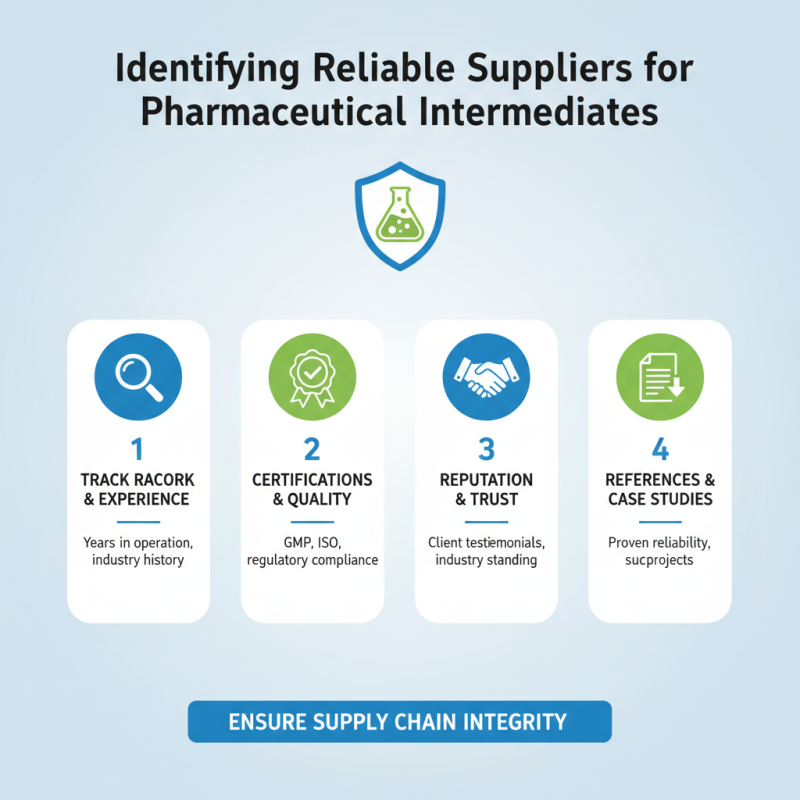
One effective tip is to build strong relationships with reliable suppliers. Networking within the pharmaceutical industry can lead to better communication and trust. Another important aspect is to conduct thorough background checks on potential suppliers. Assess their track record, certifications, and quality control processes. This eliminates risks associated with subpar materials.
Be aware of geopolitical factors affecting the supply chain. Monitor which regions may face disruptions that could delay delivery schedules. Using multiple sources for critical intermediates can mitigate these risks. However, it is essential to balance cost with quality. Sometimes, cheaper alternatives compromise the quality of the final product. In such cases, reflection on long-term goals becomes vital. The focus must always remain on delivering safe and effective medications.
Top Tips for Sourcing Pharmaceutical Intermediates Efficiently
Evaluating Quality Standards and Regulatory Compliance
When sourcing pharmaceutical intermediates, evaluating quality standards is crucial. Each supplier must demonstrate robust control over manufacturing processes. This includes strict adherence to Good Manufacturing Practices (GMP). Regular audits help ensure these standards are met consistently.
Regulatory compliance can be a challenging landscape to navigate. Different regions have specific requirements that must be understood. Manufacturers often overlook the importance of documentation. Comprehensive records are essential for tracking quality assurance processes. Ignoring this can lead to potential issues down the line.
It’s vital to maintain open communication with suppliers. Ask for certifications that confirm their compliance with industry standards. Quality assurance teams should regularly assess materials before production. This helps to identify any discrepancies early in the process. Establishing clear criteria can aid in selecting reliable intermediates.
Strategies for Cost-Effective Procurement of Intermediates
Sourcing pharmaceutical intermediates can be challenging. However, a strategic approach can lead to cost-effective procurement. Understanding market trends is crucial. Keeping an eye on supplier reliability is also important. A mix of research and networking helps uncover valuable options.
Consider diversifying your supplier base. Relying on a single source can limit flexibility. It might also lead to higher costs if that supplier faces issues. Building relationships with multiple suppliers can enhance negotiation power.
Regularly evaluating suppliers is necessary. Track their performance on quality and pricing. This helps identify long-term partners. Don't hesitate to reassess and make changes when needed. Reflection on procurement strategies ensures you stay competitive. Ultimately, staying informed and adaptable is key to efficient sourcing.
Leveraging Technology in the Sourcing Process for Efficiency
Sourcing pharmaceutical intermediates can be complex. By leveraging technology, companies can streamline this process. Technology simplifies communication and enhances data management. Using digital platforms allows for real-time collaboration among teams.
Tip: Utilize cloud-based solutions for easy access to key documents. These platforms enable efficient data sharing and transparency. Advanced analytics tools can help identify reliable suppliers. Analyzing market trends through these tools can lead to better decision-making.
Automating repetitive tasks can also improve efficiency. For instance, employing software to track orders can reduce human error. However, be cautious of over-reliance on automation. Regularly review processes to maintain quality and compliance. It’s essential to blend technology with human oversight for optimal results.