How to Use Plant Hormone Powder for Better Plant Growth?
Plant Hormone Powder plays a crucial role in enhancing plant growth and development. According to industry reports, the global plant growth regulators market is projected to reach $4.2 billion by 2025. This growth reflects the increasing awareness of sustainable farming practices and the need for efficient crop production.
Utilizing Plant Hormone Powder can significantly improve germination, root development, and flowering. A study showed that 70% of greenhouse growers report better yields when using these hormones. Many factors affect plant responses to these hormones, creating a spectrum of results. It is essential to find the right balance for optimal growth.
Challenges exist when using Plant Hormone Powder. Over-application can lead to adverse effects, such as stunted growth or unexpected plant behaviors. Growers must experiment cautiously and monitor their plants closely. With the right approach, the benefits of Plant Hormone Powder can be substantial, but careful consideration is key to achieving desired outcomes.
Introduction to Plant Hormone Powder and Its Benefits
Plant hormone powder is a valuable tool for gardeners. It promotes better
plant growth and overall health. These hormones, such as auxins and gibberellins, help
stimulate root development, cell elongation, and flowering. The use of plant hormone powder can accelerate
growth cycles and improve yields in both home gardens and commercial agriculture.
Tips for using plant hormone powder effectively: Mix the powder with water according to instructions. Apply
directly to seeds or cuttings. This ensures they absorb the hormone quickly. Monitor plant responses closely. Sometimes,
the reaction may not be what you expect. Over-application can lead to abnormal growth. Adjust your usage based on
observations.
Consider environmental factors too. Temperature and humidity play a
role in plant responses. A dry day might not be ideal for application. Reflect on your findings after each use. Sometimes
success means learning from mistakes. Experimentation is part of gardening. Use plant hormone powder wisely for the
best results.
Types of Plant Hormones and Their Specific Functions
Plant hormones, also known as phytohormones, play vital roles in the growth and development of plants. There are five main types: auxins, gibberellins, cytokinins, abscisic acid, and ethylene. Each of these hormones has specific functions that contribute to plant health. According to research published in the Journal of Plant Growth Regulation, auxins are crucial for root growth and the response of plants to light. A concentration as low as 1 to 10 parts per million is effective in promoting strong roots.
Gibberellins are another key hormone, primarily influencing stem elongation and seed germination. Data indicates that treating seeds with gibberellins can enhance germination rates by up to 90%. Cytokinins help promote cell division and are essential for leaf growth. Studies have shown that proper cytokinin levels can improve crop yield significantly, but excessive use can lead to abnormal growth patterns. It's a delicate balance.
Abscisic acid, often viewed as a stress hormone, helps plants cope with adverse conditions. Research shows it plays a role in reducing water loss, which is critical in drought conditions. Ethylene is necessary for fruit ripening and flower wilting. While these hormones can enhance growth and productivity, applying them without understanding their effects can lead to overgrown plants or delayed fruiting. Knowledge of these hormones allows for more informed gardening and agricultural practices, promoting healthier plants overall.
How to Properly Apply Plant Hormone Powder to Plants
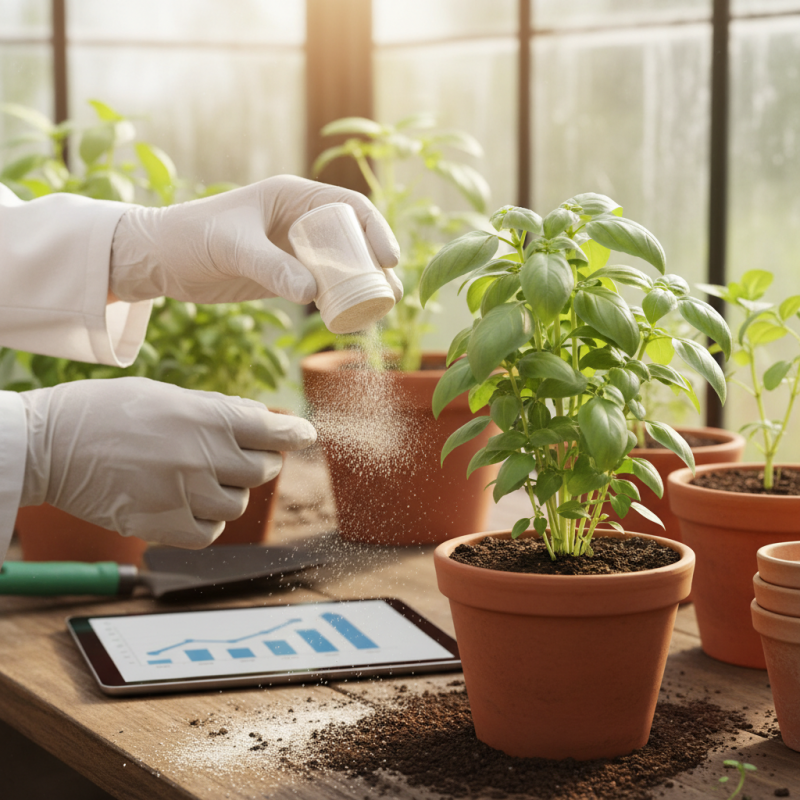
Applying plant hormone powder can significantly enhance plant growth. Start by choosing the right type of hormone based on your needs. Rooting hormones promote root development, while flowering hormones encourage blooms. When applying, ensure the soil is moist but not waterlogged.
To use the powder effectively, mix it with water according to the instructions. Dip the cuttings or seeds in this mixture. This step is crucial. Don’t oversaturate them, or you might harm the plants instead. It’s also important to wear gloves while handling the powder to avoid skin irritation.
After applying the powder, observe the plants closely. Growth can take time, and results may vary. Not all plants respond the same way. Some may thrive, while others may show little improvement. If you notice any wilting or discoloration, adjust your methods. It’s a learning process, and every attempt helps refine your approach.
Effect of Plant Hormone Powder on Plant Growth
Best Practices for Combining Hormone Powder with Other Growth Techniques
Combining plant hormone powder with other growth techniques can greatly enhance your gardening results. Start by assessing your plants' needs. Identify their growth stage and specific challenges. This initial step is crucial. When using hormone powder, timing matters. Apply it during key growth phases, such as rooting or flowering.
Mixing hormone powder with organic fertilizers can create a beneficial synergy. The natural nutrients complement the hormones, promoting robust growth. However, it’s important to maintain balance. Overapplying hormones can lead to erratic growth patterns. Some plants may become leggy or stunted. Always monitor plant responses closely.
Another effective method is pairing hormone powder with hydroponic systems. The controlled environment boosts hormone efficiency. You can witness rapid growth rates. Yet, don’t forget the basics. pH levels and nutrient concentrations must be consistent. Regular adjustments may be necessary. Take careful notes on plant reactions to refine your approach.
Common Mistakes to Avoid When Using Plant Hormone Powder
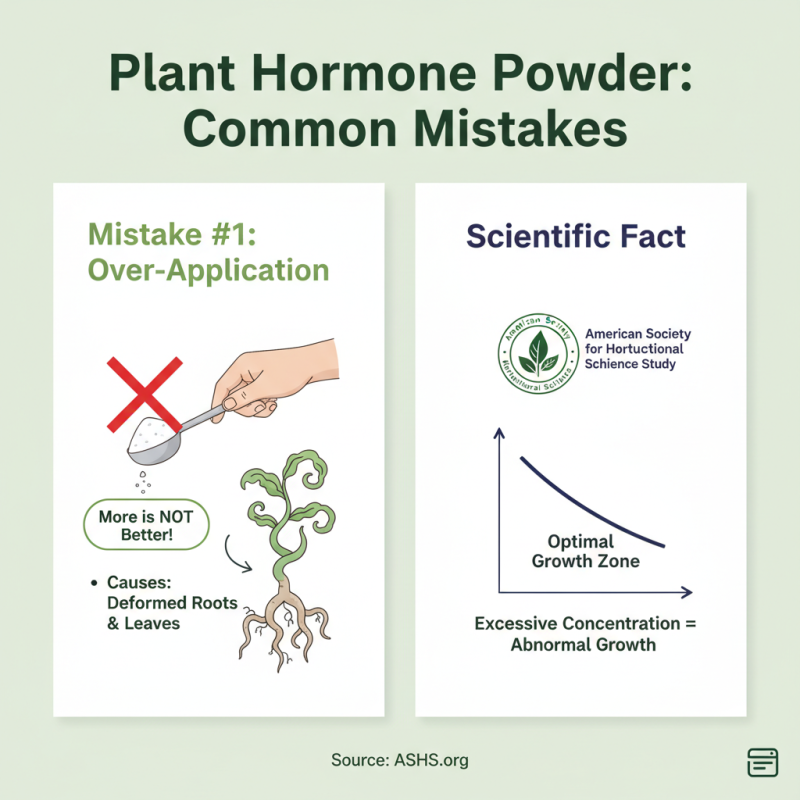
When using plant hormone powder, certain common mistakes can hinder plant growth. Over-application is a frequent error. Many gardeners believe that more is better; this is not true. A study by the American Society for Horticultural Science shows that excessive hormone concentration can lead to abnormal growth. Plants may develop deformed roots or leaves when they receive too much.
Another mistake involves neglecting moisture levels. Hormones often require specific soil moisture to work effectively. If the soil is too dry, the hormones may not absorb properly. According to research by the International Society for Plant Pathology, improper application can reduce the benefits of these powders by up to 30%. Observing the plants' needs is key.
Lastly, using the wrong hormone type is a common pitfall. Each hormone serves a distinct purpose. For instance, rooting hormones focus on root development, while growth regulators can suppress or enhance growth. Using an unsuitable product can cause stress or slow growth in plants. Awareness and understanding of these mistakes can improve overall plant health and growth potential.