
Equipoise Injection is often discussed as if the name alone explains its risks. It does not. Equipoise is a veterinary boldenone product, and using it in people can expose the body to a hormone it was not approved to treat human conditions. The consequences may include changes in natural hormone production, fertility, mood, blood pressure, and cardiovascular health. Risks vary. Some effects may persist after use stops.
The injection itself adds another layer. Redness, swelling, pain, or fever can signal an infection that needs prompt medical attention. A clean-looking vial cannot establish that a product is safe or suitable for a person. That distinction is easy to overlook. It matters.
Dr. Harrison Pope, a psychiatrist and long-time researcher on anabolic-androgenic steroids, is a relevant expert on the broader health concerns. However, no source text was provided to verify a direct statement from him specifically about Equipoise Injection, so attributing a quotation would risk misleading readers. His research area supports a cautious, evidence-led approach, not claims of guaranteed outcomes. This introduction sets up the key question: why can Equipoise Injection be risky, and what warning signs deserve attention? The answer should be grounded in qualified medical advice and reliable evidence—not gym anecdotes or confident product claims. Some uncertainties remain, and they deserve honest treatment.
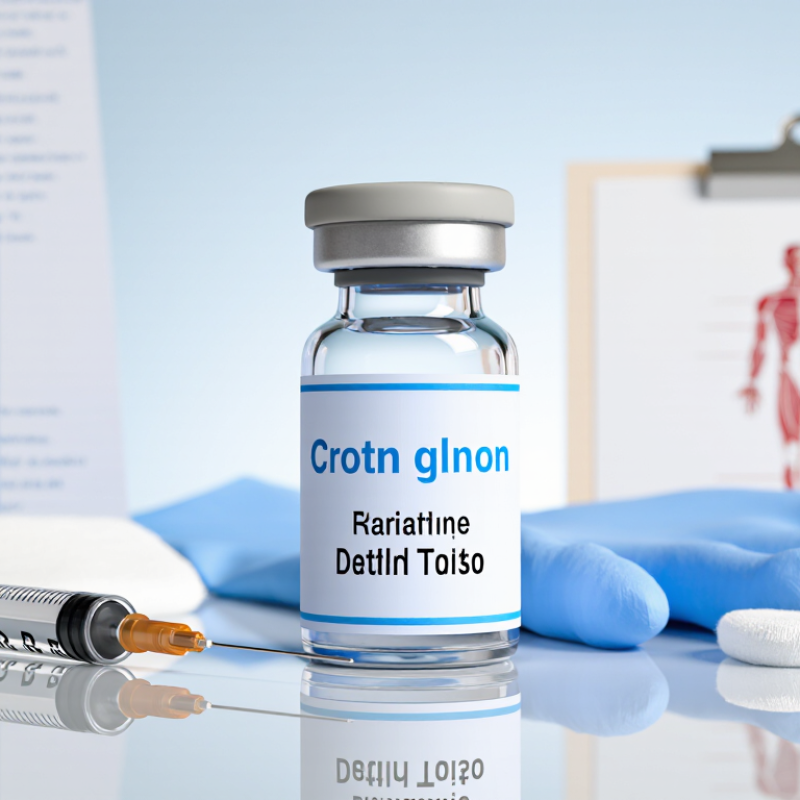
Equipoise is a name often used for a long-acting anabolic-androgenic steroid originally developed for veterinary care. In animals, such medicines may be prescribed to support appetite and body condition during specific health problems. A veterinarian assesses the animal and monitors its response. It is not a general wellness treatment.
That distinction matters.
The appeal of this type of drug is its potential to influence muscle and red blood cell production. But those effects can disrupt normal hormone function. Possible harms include changes in cholesterol, blood pressure, mood, fertility, and natural hormone production. Effects may persist because the medicine is long-acting.
Risks also depend on a person’s health and other medicines, so a short description cannot predict an individual outcome. That uncertainty deserves attention.
Veterinary formulations are not established as safe or appropriate for people, and unsupervised use can cause serious harm. Even the word “veterinary” can sound reassuring; it should not. Medical questions about exposure or symptoms belong with a qualified clinician, who can assess the situation without guesswork.

Boldenone, the active drug associated with Equipoise, can affect the heart, blood, hormones, and mood. It may increase red blood cell production, raising hematocrit and making blood more viscous. That can place extra strain on circulation. In a 2017 Circulation study of 140 male weightlifters, anabolic steroid users had lower average left-ventricular ejection fraction than nonusers: 52% versus 63%. The study examined steroid use broadly, not boldenone alone, so its figures cannot predict one person’s response. Still, the finding is concerning.
Hormonal changes may reduce the body’s own testosterone production, impair fertility, and alter sexual function. Some people also report irritability, low mood, or sleep changes. Effects vary, and they may not appear right away. An injection adds local risks, including pain, swelling, bleeding, and infection; contaminated equipment can introduce serious bloodstream infections. A small red area can worsen.
The Endocrine Society’s scientific review of anabolic-androgenic steroids describes cardiovascular, reproductive, and psychiatric harms, while noting that evidence differs across drugs and users. Boldenone-specific human data are limited, which leaves real uncertainty—not proof of safety. A clinician can assess blood pressure, blood counts, cholesterol, and hormone-related symptoms; chest pain, trouble breathing, or a hot, rapidly worsening injection site needs urgent medical attention.
How to read this chart: “Yes” means a concern is recognized for anabolic-androgenic steroids as a class; it does not show how likely or severe an effect is, or provide Equipoise-specific incidence data. Reliable human safety data for boldenone undecylenate are limited. Equipoise is a veterinary drug, and using it in people can carry serious, unpredictable risks.
Boldenone is an anabolic-androgenic steroid, and reliable human safety data for nonmedical use are limited. That matters. Many known risks come from research on the wider steroid class, not boldenone alone.
In the prospective HAARLEM study, researchers followed 100 men using anabolic steroids. During use, participants showed unfavorable changes in cholesterol and blood pressure, alongside disrupted reproductive hormones (Smit et al., Human Reproduction, 2021). These changes can raise cardiovascular concerns and affect fertility.
The Endocrine Society’s scientific statement on anabolic-steroid use also describes risks to the heart, liver, and reproductive system. In practical terms, a person may notice reduced fertility, testicular shrinkage, acne, or mood changes; some effects can persist after stopping.
Injection adds another layer of risk. Painful redness, warmth, swelling, or fever may signal an infection requiring prompt medical care. Shared or contaminated equipment can also transmit blood-borne infections. No injection is risk-free. Evidence specific to boldenone remains thin, so these risks should not be treated as a precise prediction for any individual. A clinician can assess symptoms and relevant blood tests confidentially.
An injection of a veterinary anabolic steroid can cause more than brief soreness. The skin may become red, hot, or swollen, and pain can worsen instead of fading. Infection may develop beneath the skin, sometimes forming an abscess that needs medical treatment. Using a nonsterile product or equipment raises these risks. A needle can also injure a blood vessel or nerve. That possibility is easy to underestimate.
Some complications affect the whole body. Hormone-related drugs can disrupt natural hormone production and may affect mood, skin, fertility, or cardiovascular health. The exact risks depend on the substance, dose, and individual health; without a clinician’s assessment, they can be hard to predict. Chest pain, trouble breathing, fever, spreading redness, or rapidly increasing swelling need urgent medical attention.
Tips: Don’t inject an unprescribed product or try to treat a suspected infection yourself. If an injection has already happened, tell a healthcare professional what was used and when. Be honest about symptoms, even if the decision feels awkward. That detail can guide safer care.
Pain or pressure in the chest, sudden breathlessness, fainting, or a racing, irregular heartbeat needs urgent medical assessment. Do not wait. One-sided weakness, trouble speaking, or a sudden severe headache may signal a stroke or other emergency. Call emergency services. A 2017 Circulation study examined 140 experienced weightlifters, including 86 anabolic-steroid users. Users had lower average heart-pumping function and greater coronary plaque burden than nonusers. The study did not examine boldenone alone, but it supports taking heart symptoms seriously.
Watch the injection site, too. Spreading redness, warmth, worsening pain, pus, or fever can indicate infection. Seek prompt medical care, especially if symptoms progress. Yellow skin or eyes, dark urine, severe abdominal pain, or unusual swelling also warrant urgent evaluation. These symptoms can have many causes; they cannot be safely diagnosed from appearance alone. It is easy to dismiss a small patch of redness or mild fatigue, but worsening signs matter. Tell a clinician what was injected, when, and how much, if known. If breathing becomes difficult or consciousness changes, seek emergency help immediately.